Mountain hiking can feel intimidating if you've never done it. The gear lists are long, the elevation numbers are alarming, and every trail review seems to be written by someone who casually ran a marathon last weekend. But the truth is, you don't need to be an athlete to enjoy a mountain trail. You just need the right starting point.
What Makes a Trail Beginner-Friendly
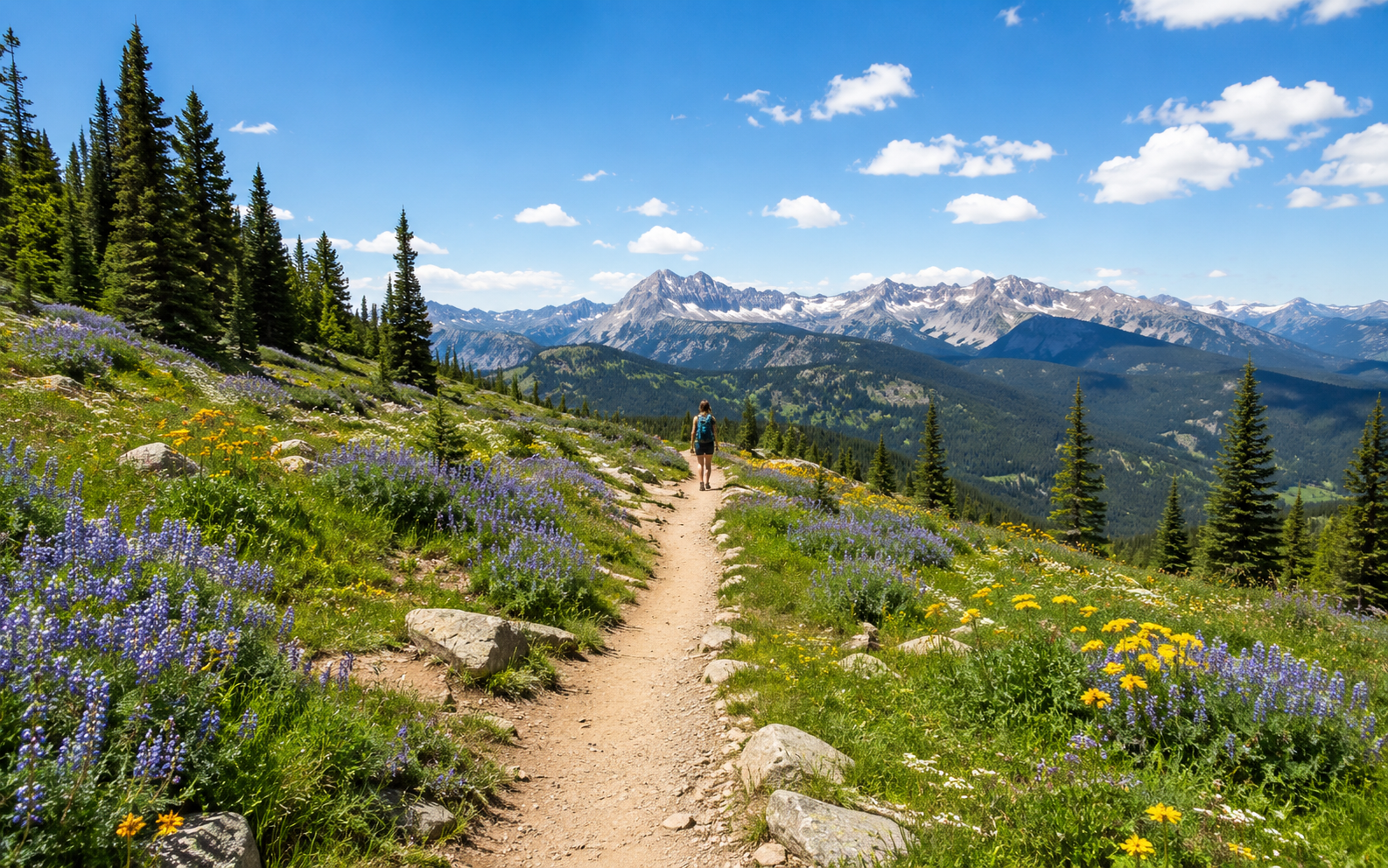
A good beginner trail has a few things in common: moderate distance — usually under 8 kilometres — gentle elevation gain, clear signage, and a well-maintained path. You shouldn't need scrambling skills or a GPS watch. A pair of sturdy shoes, some water, and a willingness to go slowly are all it takes.
Look for trails rated as "easy" or "moderate" on platforms like AllTrails or local park authority websites. These ratings aren't perfect, but they're a useful starting filter. Pay attention to elevation gain over distance — a trail that gains 300 metres over 6 kilometres is very different from one that gains 300 metres in the first kilometre.
Trails Worth Trying
In the Appalachian region, the Laurel Falls trail in Great Smoky Mountains National Park is a classic. It's paved, roughly 4 kilometres round trip, and ends at a 24-metre waterfall. You'll share the trail with families and children, which tells you everything about its accessibility.
Out west, the Emerald Lake trail in Rocky Mountain National Park is another strong choice. It's about 5.5 kilometres round trip with gradual elevation, and the scenery changes constantly — from forest floor to alpine meadow to glacier-fed lake.
In Europe, the Sentiero Azzurro between Monterosso and Vernazza in Cinque Terre offers a mountain trail with Mediterranean views. It's not flat, but it's short, well-marked, and the reward of a seaside village with cold wine at the end is hard to beat.
Gear You Actually Need
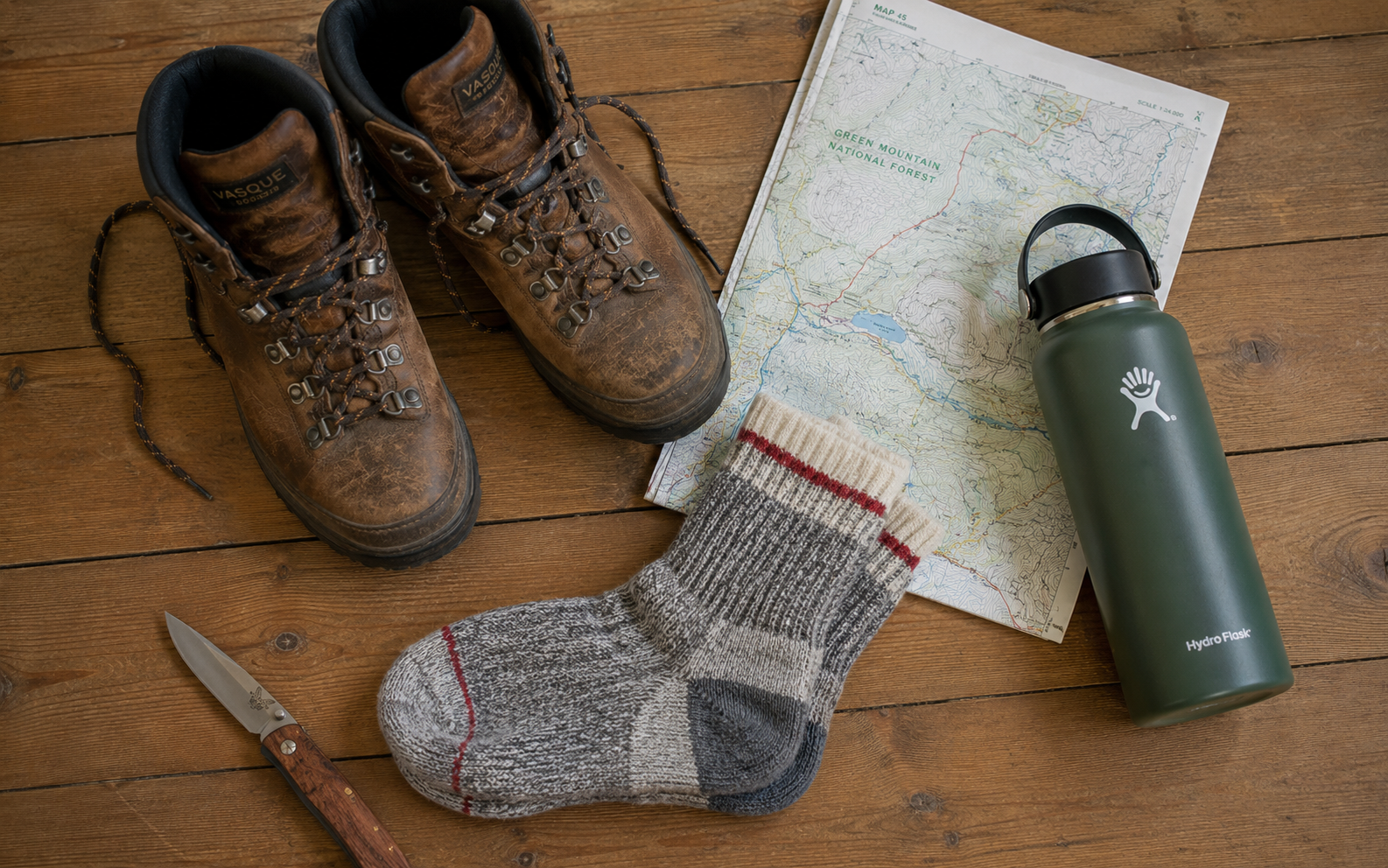
Forget the 47-item packing list. For a day hike as a beginner, you need trail shoes or sturdy trainers with grip, a water bottle, a light layer in case the weather turns, sunscreen and a snack. That's it. You don't need trekking poles. You don't need a camelback hydration vest. You need comfortable feet and enough water to not get a headache.
The Most Important Advice
Go slowly. Seriously. The number one mistake beginners make is trying to keep pace with experienced hikers. There's no clock. Nobody is judging you. Stop when you want to look at something. Sit on a rock and eat an apple. The trail isn't going anywhere, and neither should you — at least not quickly. Mountain trails reward patience, and the slower you go, the more you actually see.