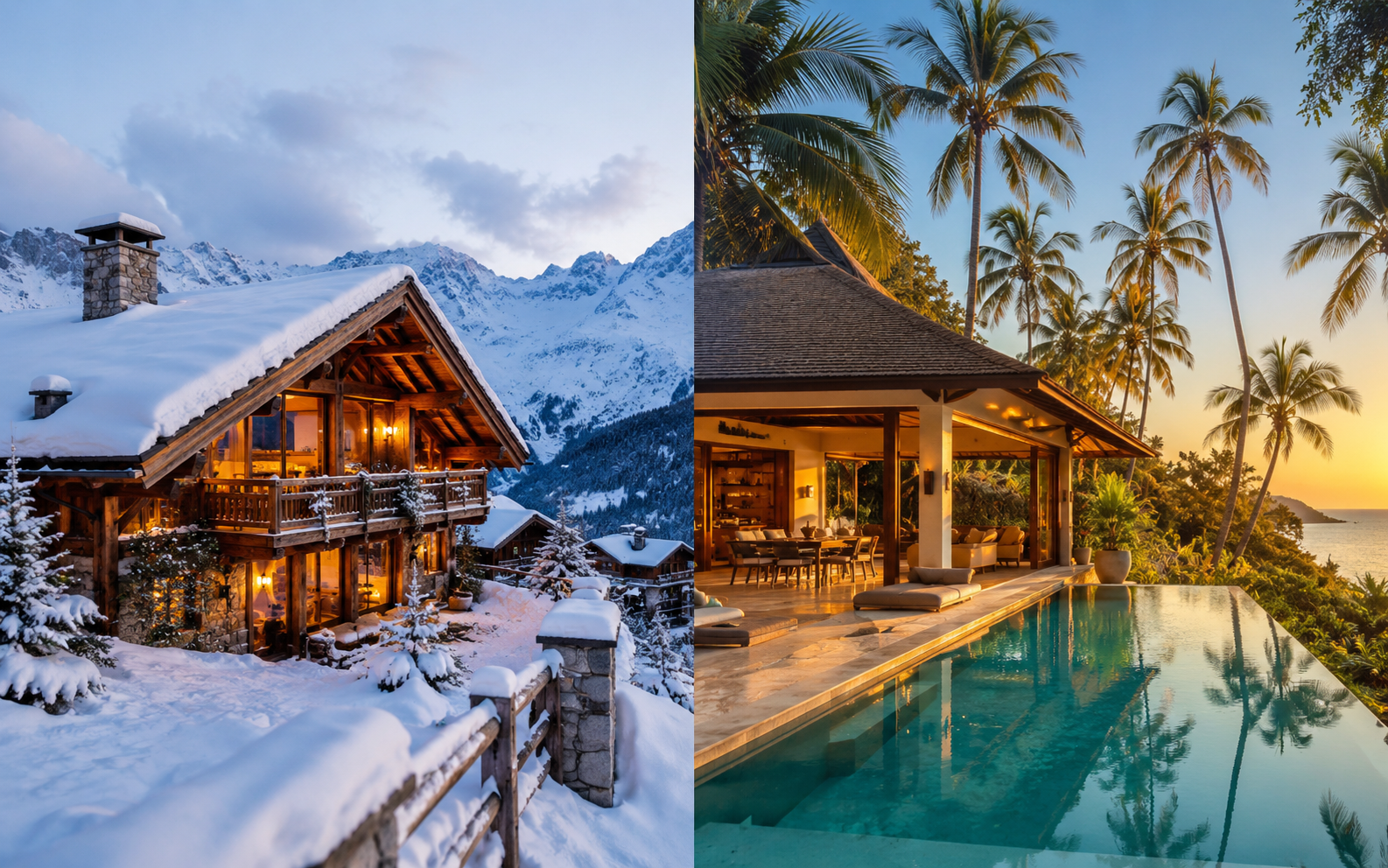
Long before mountain travel became a leisure pursuit, people needed shelter in high places. Shepherds, traders and pilgrims crossing mountain passes relied on simple stone structures to survive the night. These early shelters — crude, cold and often shared with livestock — were the ancestors of the mountain lodge as we know it today.
The Alpine Refuge Era
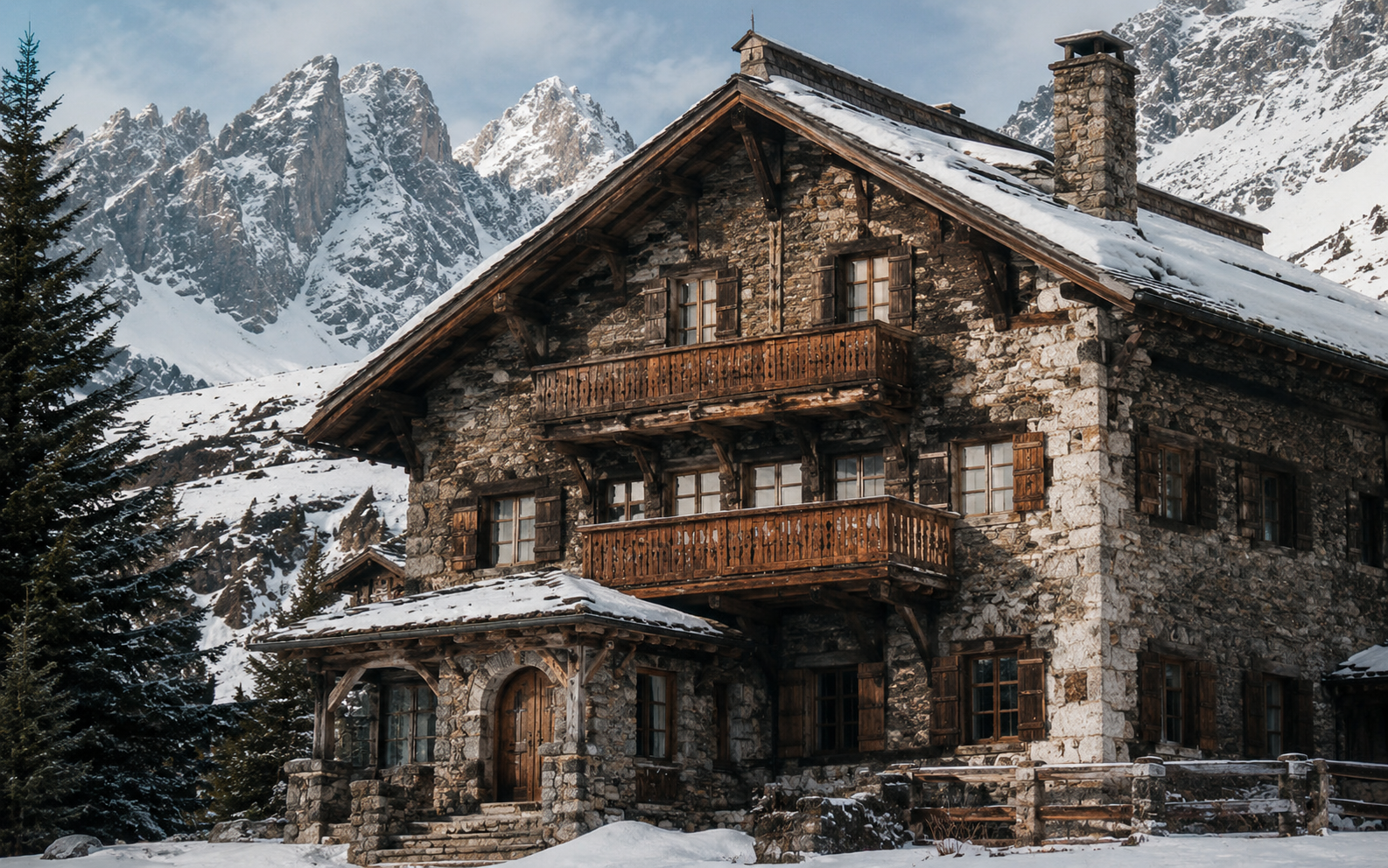
The first purpose-built mountain huts began appearing in the Alps during the early 19th century. Alpine clubs in Switzerland, Austria and Germany constructed basic refuges along popular routes, offering climbers a place to sleep, eat and wait out bad weather. These weren't luxurious. Bunk beds were communal, meals were simple, and the plumbing was whatever the nearest stream provided.
But they changed everything. Suddenly, multi-day routes through the Alps became feasible for people who weren't professional mountaineers. The refuges created a network — a chain of rest stops that turned impossible journeys into achievable ones. By the 1860s, there were hundreds across the European Alps, and the system continued to grow well into the 20th century.
The Grand Lodge Movement
While Europe was building functional huts, North America was building something grander. The arrival of the railroad in the American West brought tourists to places like Yosemite, Yellowstone and the Canadian Rockies. And those tourists expected comfort. The result was the grand mountain lodge — massive timber structures with stone fireplaces, dining rooms and views that stretched to the horizon.
The Ahwahnee in Yosemite, built in 1927, is perhaps the most iconic example. Its blend of Art Deco style and rustic materials set a template that mountain architects still reference today. Similar lodges appeared across the national park system, many funded by the railroads themselves as a way to attract passengers.
The Modern Mountain Retreat
Today's mountain lodges occupy a broad spectrum. At one end, you still find the traditional Alpine hut — basic, communal, serving hearty soup to tired hikers. At the other, there are architecturally striking retreats with saunas, wine cellars and rooms that cost more per night than a return flight.
What connects them is the same principle that drove those first stone shelters: the idea that the mountains are worth staying in, not just passing through. Whether it's a two-bunk hut at 3,000 metres or a glass-walled lodge overlooking a Norwegian fjord, the mountain lodge exists because people keep wanting to wake up surrounded by peaks.
What Stays the Same
The materials have changed. The menus have improved. The mattresses are finally comfortable. But the experience of arriving at a mountain lodge after a long day on the trail — dropping your pack, pulling off your boots, sitting down to a hot meal while the temperature plummets outside — that hasn't changed in two hundred years. And with any luck, it never will.